Is This Neighborhood in a Flood Zone? What Every Houston Buyer Needs to Know
Written by Gabrielle Strout, luxury realtor in Cypress, TX
Is this Houston neighborhood in a flood zone? Many Houston neighborhoods carry some flood risk — but that doesn't mean you shouldn't buy there. Knowing how to read flood maps, ask the right questions, and factor insurance into your budget is what separates confident buyers from anxious ones.
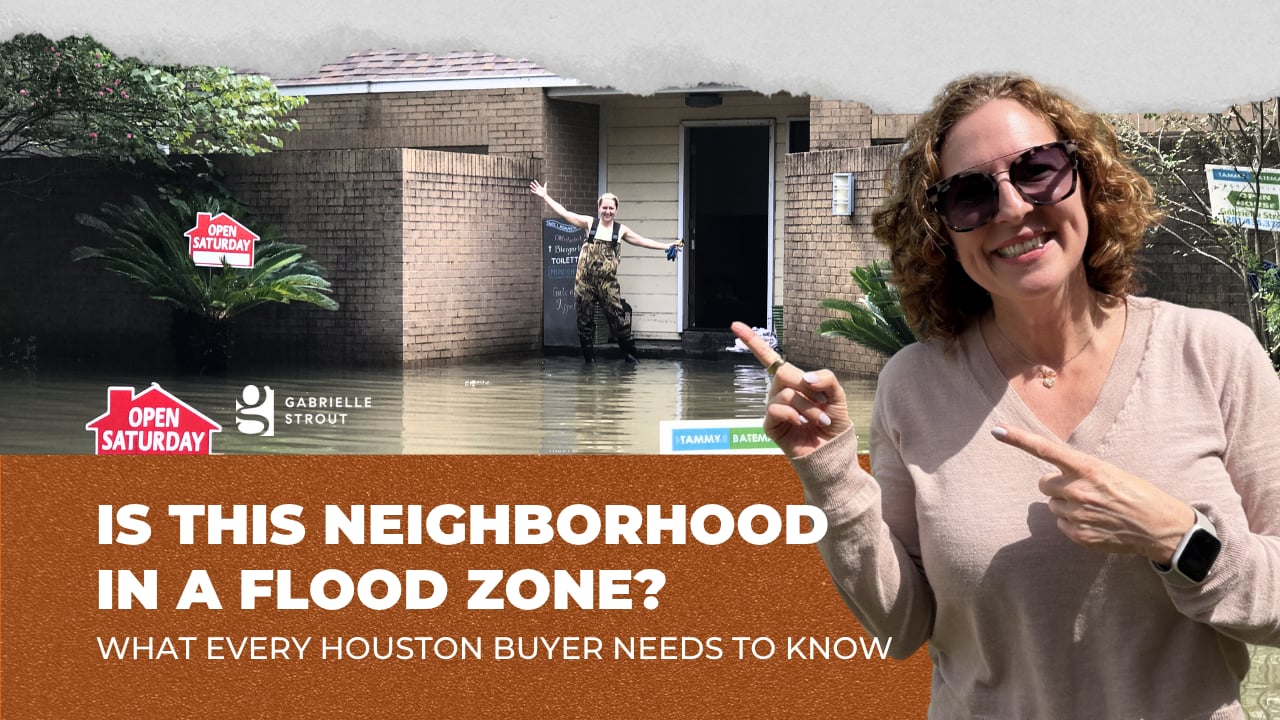
I've lived this. My own home flooded. I know what it feels like to watch water creep toward your front door, to make the calls, to figure out what's covered and what isn't. I also know what it feels like to come out the other side and understand this market — flood risk and all — in a way most agents never will.
If you're relocating to Houston or buying here for the first time, flooding is probably one of your biggest concerns. It should be on your radar. But it doesn't have to be a dealbreaker, and it definitely shouldn't be a mystery. Here's what you actually need to know.
Houston and Flooding: The Honest Picture
Houston is flat, clay-heavy, and sits in a region that receives significant rainfall — sometimes all at once. The city has experienced major flood events that affected tens of thousands of homes across Harris County, and the national coverage of those events has left a lasting impression on buyers looking to relocate here.
The reality is more nuanced. Not every Houston neighborhood floods equally. In fact, some areas have dramatically better drainage infrastructure than others, and plenty of homes that appear close to waterways have never taken on water. Your job — with the right help — is to know the difference before you buy.
What a Flood Zone Designation Actually Means
FEMA designates flood zones based on statistical risk — the likelihood that a given area will experience flooding in any given year. The designations that matter most to buyers are:
-
Zone AE — High-risk. FEMA identifies these areas as having a 1% annual chance of flooding (sometimes called the "100-year floodplain"). If you have a federally backed mortgage and buy in Zone AE, flood insurance is mandatory.
-
Zone X (shaded) — Moderate risk. These areas fall outside the 100-year floodplain but still carry some risk. Flood insurance isn't required but is often worth considering.
-
Zone X (unshaded) — Minimal risk. Standard mortgage lenders don't require flood insurance here, though some buyers still choose to carry it.
You can look up any property's flood zone designation using FEMA's Flood Map Service Center — just enter the address. It takes about 30 seconds and it's one of the first things I do when a buyer is seriously considering a home.
That said, flood maps are not the full story. More on that in a moment.
The Addicks and Barker Reservoir Area: What Buyers Should Understand
If you're looking at homes in the western Houston suburbs — particularly in the Katy, Energy Corridor, and Bear Creek areas — you need to understand how the Addicks and Barker reservoirs work.
These two reservoirs were built by the U.S. Army Corps of Engineers decades ago to protect downtown Houston from flooding. When major storms hit, water is intentionally impounded in the reservoir pools — which extend into residential neighborhoods that were developed after the reservoirs were built. During major flood events, some of these homes flooded not because water overflowed nearby bayous, but because the pools themselves backed up into the surrounding subdivisions.
This is a critical distinction. Homes in the Addicks and Barker reservoir pools may show up as Zone X on a FEMA map — meaning low risk — but they are in areas that have experienced significant flooding during extreme storm events. Buying in this area isn't automatically off the table, but it requires a much more detailed conversation about the specific street, elevation, and flood history of the property you're considering.
This is exactly the kind of thing I walk buyers through. I know where the high water sat. I can point to streets and subdivisions where the risk is materially different, even within the same zip code.
Newer Master-Planned Communities: A Different Story
One of the most important things I tell relocating buyers is that new construction in Houston's master-planned communities — think Bridgeland, Towne Lake, Woodforest, or Harmony — was built with modern drainage infrastructure that simply didn't exist in older neighborhoods.
These communities engineered their drainage systems from the ground up, with retention lakes, engineered detention basins, and higher-elevation lot grading as part of the development plan. Many of them performed significantly better during major flood events than older subdivisions nearby.
That doesn't mean they're immune to every scenario, but it does mean the risk profile is genuinely different. If flood risk is a significant concern for your family, newer master-planned communities in Cypress, The Woodlands area, and Magnolia are worth serious consideration — not just for lifestyle amenities, but for the infrastructure underneath them.
Flood Insurance: What You're Actually Buying
There are two main types of flood insurance available to Houston homeowners:
National Flood Insurance Program (NFIP) Administered by FEMA, this is the most common flood insurance product. It's available for homes in FEMA-participating communities (Houston qualifies) and covers the structure and, optionally, contents. Premiums vary based on flood zone, structure type, elevation, and coverage amount. If your lender requires flood insurance, NFIP policies are the most straightforward path.
Private Flood Insurance The private flood market has grown significantly in recent years. Private policies can sometimes offer broader coverage, higher limits, or more competitive pricing than NFIP — particularly for homes that were recently remapped into higher-risk zones. It's worth getting quotes from both.
A few things buyers often don't know:
-
Standard homeowners insurance does not cover flooding. This surprises more buyers than you'd expect. They're two separate policies.
-
Elevation certificates matter. A property's elevation relative to the base flood elevation (BFE) significantly affects your premium. An elevation certificate — which a licensed surveyor can produce — can sometimes lower your insurance cost substantially if your home sits above the BFE.
-
Waiting periods apply. NFIP policies typically have a 30-day waiting period before they go into effect. You can't buy one the week before a storm and be covered.
What to Ask Before You Make an Offer
When you're seriously considering a property in Houston, these are the questions worth getting answers to before you move forward:
-
What flood zone is this property in, according to FEMA?
-
Has the property flooded before? (Texas requires sellers to disclose known flooding history on the Seller's Disclosure Notice.)
-
What is the property's elevation relative to the base flood elevation?
-
Is an elevation certificate available?
-
What are the estimated flood insurance premiums for this property?
-
Is the property in or near the Addicks or Barker reservoir pool?
-
Has the neighborhood's drainage infrastructure been updated since the last major flood event?
Your agent should be able to help you work through all of these. If they can't, that's a problem.
FAQ
Does every home in Houston need flood insurance?
Not every home requires it, but many benefit from it. Lenders require flood insurance on properties in FEMA high-risk zones (Zone AE and similar) with federally backed mortgages. For homes in moderate or low-risk zones, it's optional — but given Houston's rainfall patterns, many buyers and homeowners choose to carry it anyway. The right answer depends on the specific property, its location, and your personal risk tolerance.
How do I find out if a Houston home has flooded before?
Texas law requires sellers to disclose known flooding history on the Seller's Disclosure Notice. You can also check Harris County Flood Control District records, ask your insurance agent to pull a flood history report and ask your agent and neighbors directly. A thorough buyer's agent will help you piece together a complete picture from multiple sources — not just what the seller disclosed.
Are newer Houston suburbs safer from flooding than older ones?
Often, yes — but it depends on the specific development. Master-planned communities built in the last 15–20 years were typically required to meet modern drainage standards, and many were engineered with retention systems that significantly reduce flood risk. Older subdivisions developed before modern floodplain management regulations may carry higher risk, particularly if they're near bayous or within reservoir pool areas. Location and infrastructure matter more than age alone.
You Don't Have to Figure This Out Alone
Buying a home in Houston without understanding flood risk is like buying a car without checking the CarFax. The information is available — you just need to know where to look and what it means.
I've been through a flood. I've navigated the insurance claims, the repairs, and the emotional weight of wondering if you made the right call. That experience changed how I work with buyers. I know which streets to look at twice. I know the questions your inspector won't think to ask. And I know how to help you find a home you'll feel confident in — whether that's in a master-planned community with modern drainage, an established neighborhood with strong flood history, or somewhere in between.
If you're buying in Houston and you have questions about flood risk in a specific area, reach out. This is exactly the kind of conversation I'm here to have.

Schedule your complimentary and confidential consultation with Gabrielle Strout, REALTOR® at Compass Real Estate, serving Houston, Cypress, Magnolia, Tomball, and Spring, TX.